Strategy and Planning Unit, State House, The Republic of Sierra Leone
Master Plan for Sustainable Stormwater Drainage Systems in Freetown, Sierra Leone
Project Overview
Streams Tech, in association with FMC and Associates, LLC, conducted a comprehensive study to develop the Stormwater Drainage Master Plan for Freetown, Sierra Leone. The plan covered an area of 29 square miles, with the goal of addressing the city's flood management issues through detailed analysis, planning, and the implementation of effective stormwater drainage solutions. Through extensive field surveys, satellite imagery analysis, and the development of hydrologic and hydraulic models, the project identified key flood control measures and infrastructure improvements to reduce the risk of flooding.
Important Components of the Master Plan
Data Collection and Analysis
- Field Surveys: Collected data on existing drainage infrastructure, including natural drainage paths, storm drains, culverts, bridges, and waste disposal locations. This data was processed using GIS tools to develop an accurate drainage network model.
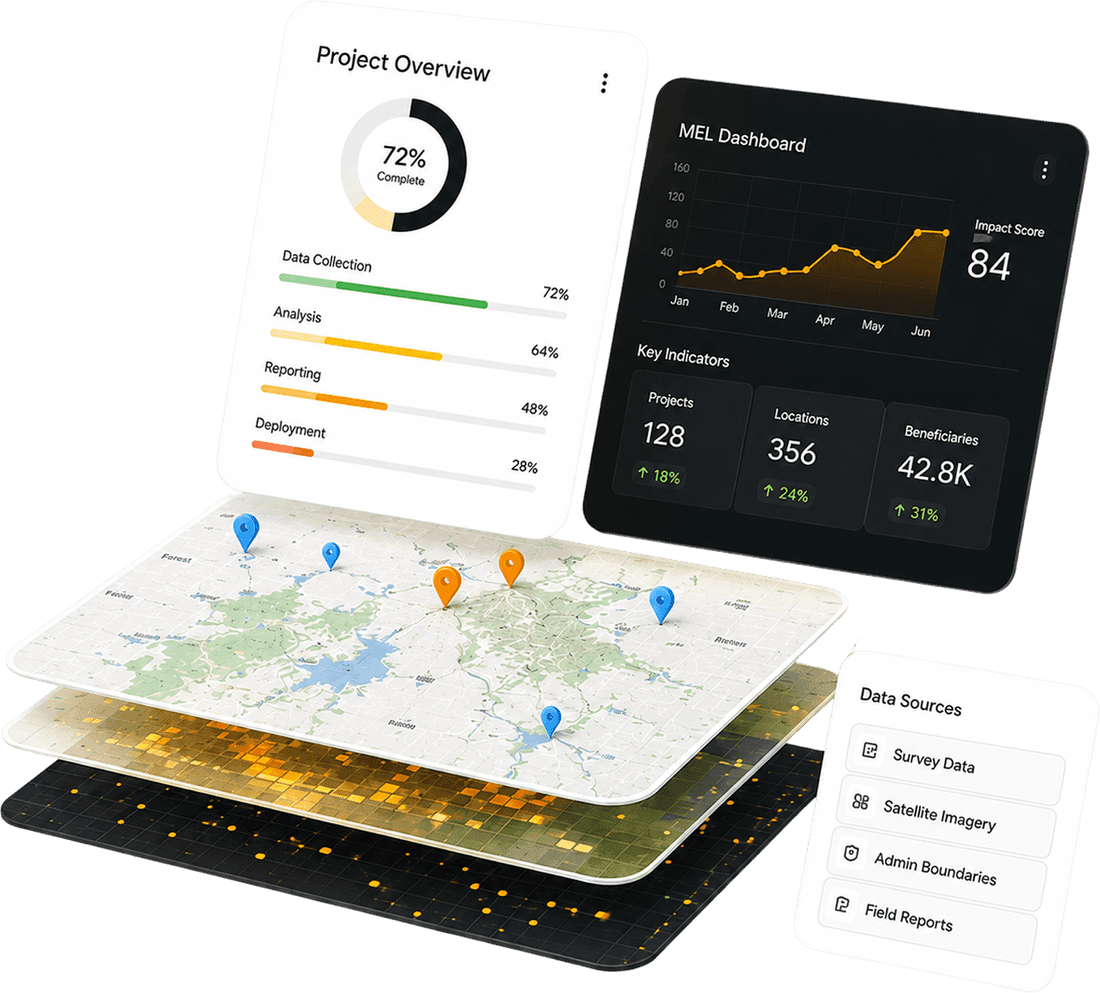
- Satellite Imagery and GIS: Procured high-resolution satellite imagery to define catchment boundaries, land use patterns, and flood-prone areas. GIS was used for delineating flood zones and mapping drainage networks.
- Rainfall and Flow Monitoring: Installed local gauges to collect continuous rainfall and stream flow data, which was critical for model calibration and validation due to the lack of existing monitoring data.
- Past Master Plan Assessment: Reviewed and assessed past stormwater management initiatives to understand existing strategies and identify areas for improvement.
- Geospatial Data Processing: Processed and analyzed various geospatial data, including topographic, climate, hydrological, and hydraulic information to support modeling and analysis.
Hydrologic and Hydraulic Modeling
- SWMM Model Development: Developed a geospatial SWMM model representing the hydrologic and hydraulic characteristics of the watershed. The model simulated rainfall-runoff relationships, drainage system behavior, and flood risks under current and proposed conditions.
- Existing Condition Analysis: Analyzed the current drainage network to assess flood risks and identify system deficiencies, including inadequate capacity in critical areas.
- Proposed Condition Scenario: Simulated flood management alternatives, including infrastructure improvements, to evaluate their effectiveness in reducing flood risks and addressing system deficiencies.
Flood Risk Assessment and Mitigation
- Flood Mapping: Used the SWMM model to generate flood maps for both existing and proposed conditions. This process identified high-risk flood zones and provided a basis for recommending flood control measures.
- Flood Control Alternatives: Assessed various flood mitigation options, including the construction of cascaded detention ponds, lot-level storage facilities, and the restoration of natural watercourses.
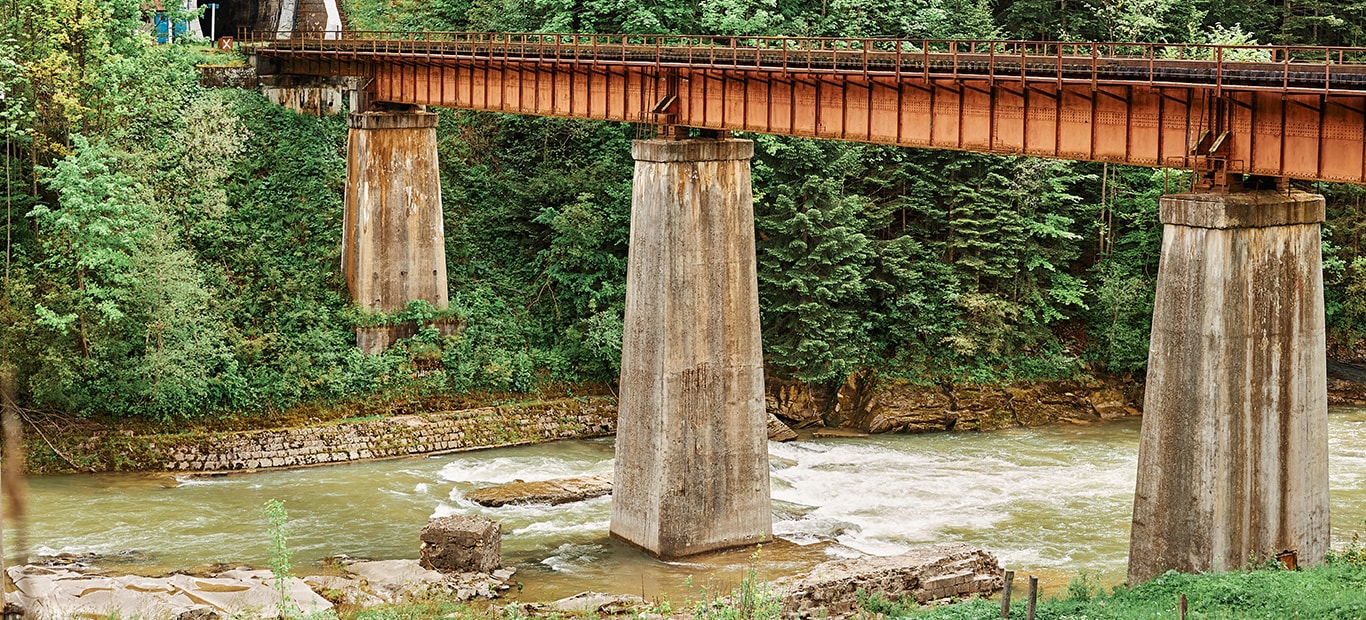
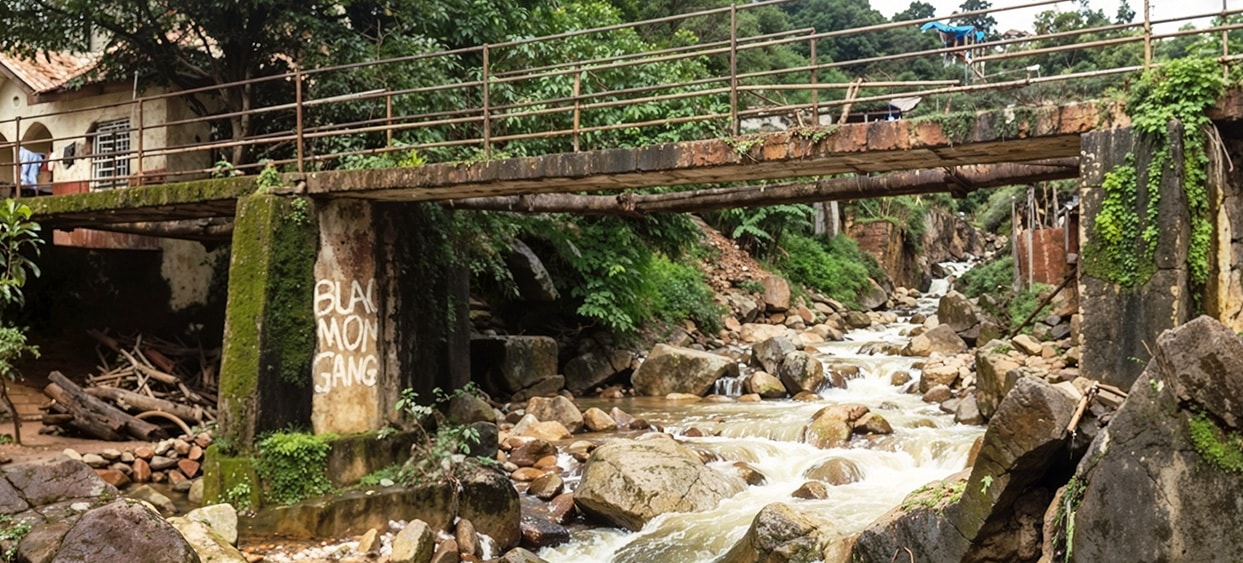
- Bridge and Culvert Assessments: Evaluated the hydraulic capacity of existing bridges and culverts along key drainage paths and proposed suitable upgrades to improve their performance and reduce flooding risks.
Infrastructure Improvement Planning
- Detention Ponds and Storage Facilities: Designed cascaded detention ponds and individual plot-level storage facilities to reduce peak runoff and mitigate flooding. Recommendations for integrating these solutions into urban planning were included in the master plan.
- Drainage System Upgrades: Proposed improvements to the existing stormwater infrastructure, including the expansion of drainage channels, rehabilitation of storm drains, culvert replacements, and the enhancement of storage capacities.
Stakeholder Engagement and Knowledge Sharing
- Client Workshops and Presentations: Conducted workshops and presentations to share the project’s findings, flood management approaches, and proposed solutions with the client’s staff and other stakeholders.
- Training and Capacity Building: Delivered training sessions to the client’s staff on the application of flood management strategies and the use of the developed models for future planning.
- Feedback Integration: Actively engaged with the client and stakeholders to incorporate feedback into the project’s design and flood mitigation measures.
Master Plan Development and Reporting
- Master Plan Report: Prepared a comprehensive master plan report that included flood zone maps, recommendations for flood control measures, and a proposed drainage system design. The report also provided a detailed waste management plan to complement the stormwater management strategy.
- GIS-Based Inventory: Delivered a GIS-based inventory of the existing and proposed drainage system, enabling the client to use it for ongoing monitoring, planning, and decision support.